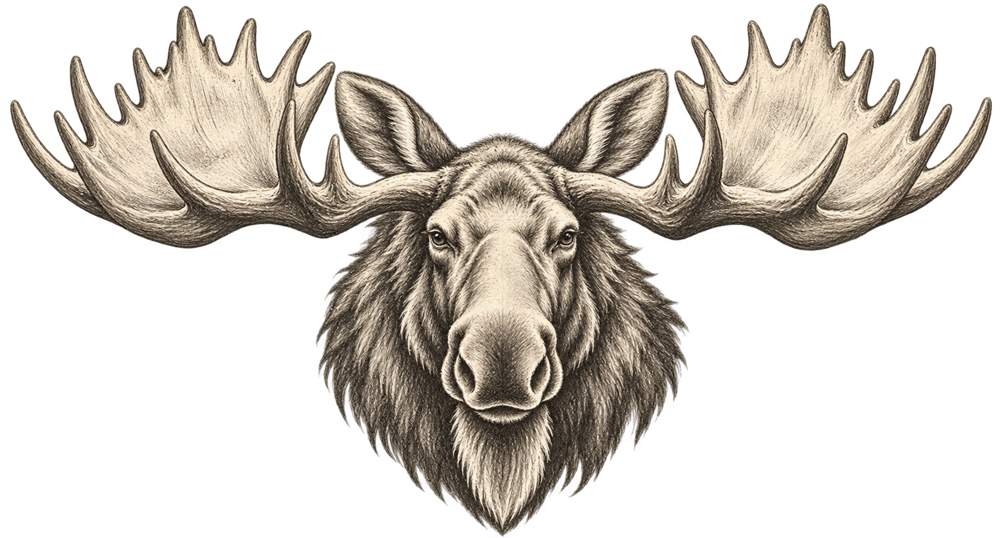
A calling session needs a safe site, clear positions for the group and time to listen. The rut explains why calling can interest moose. It does not turn a sound in the brush into an identified target.
Know the biological window
The Maine and Alaska wildlife departments place the main breeding period in late September and early October. These accounts describe the species in their own ranges. They are background for an Ontario hunt, not a forecast of the best hour at your camp.
Ontario hunting dates are set separately. Match the tag’s animal class, WMU, season and equipment before choosing a week. A calling plan that fits the rut still needs a legal open season.
Big North Lodge advertises a self-guided rifle or archery hunt at Roger Lake in WMU 3. Its published package lists outpost accommodation, boats, motors, fuel and flying. Ask for the current dates, tag details and pickup plan when comparing that offer with a road-access hunt.
Choose the site before choosing the call
Walk the site in daylight when permitted. Check where you can see an approaching animal, what lies behind a possible shot and how you will leave. Decide which direction each hunter will watch and where everyone will remain.
Avoid putting people on opposite sides of the same likely approach. Set a simple movement rule: nobody changes position without the group knowing. Calling does not excuse a loose group plan.
Mark a few distances to fixed points if that helps with your equipment. Those measurements describe the fixed points; an animal that arrives elsewhere still needs its own distance check. Read the bow and crossbow guide if that is your setup.
Wind is an observation, not a one-time check
Check the wind where you are sitting, then note changes during the session. The wind at the lodge or landing is not a record of the wind at your calling site. Write down the direction and whether it stayed steady.
Keep the approach route in the notes as well. On the next visit, you want to know how you arrived, which positions you used and whether conditions differed. This makes two sessions easier to compare without pretending all the other factors were the same.
If the view, wind or group positions leave you uncertain, move only under the agreed plan or end the session. Reaching a chosen spot does not oblige you to hunt from it.
Give listening a place in the plan
After calling, record what you actually hear. A clear answer, a broken branch, moving water and an uncertain sound deserve different notes. If you did not see the animal, do not write down a confirmed bull as though you did.
Allow enough quiet time to listen and keep watch. There is no need to publish a fixed calling interval as a rule for every camp. Talk through the local setup with an experienced guide and judge the session by the conditions you have.
An animal may remain out of sight. Wait for identification rather than trying to solve the hidden target from the sound alone. Ontario warns that bulls may have no visible antlers and that vegetation can hide or resemble a rack.
What the old book contributes
In his 1901 book, Burt Jones describes calling through a birch horn beside lakes and waiting for a bull to come through the woods. Those passages preserve a caller’s working method and the importance he placed on listening.
The book also makes timing claims and tells individual stories. Keep those tied to the author and year. They are not a modern study of Ontario breeding dates or a guarantee that a present-day session will end the same way.
The useful task today is still to keep a careful record of place, conditions and response. Read The Moose Rut for breeding biology, then carry the group plan from Calling, Scouting & Tracks into the field.
Sources & further reading
- Maine wildlife department: breeding season ↗
- Alaska wildlife department: moose breeding ↗
- Burt Jones’s moose book (1901) ↗
- Ontario: bull identification ↗
- Big North Lodge: Roger Lake hunt ↗
- Ontario natural-attractant ban ↗
Read the official Ontario rules for your hunting unit and tag before travelling.