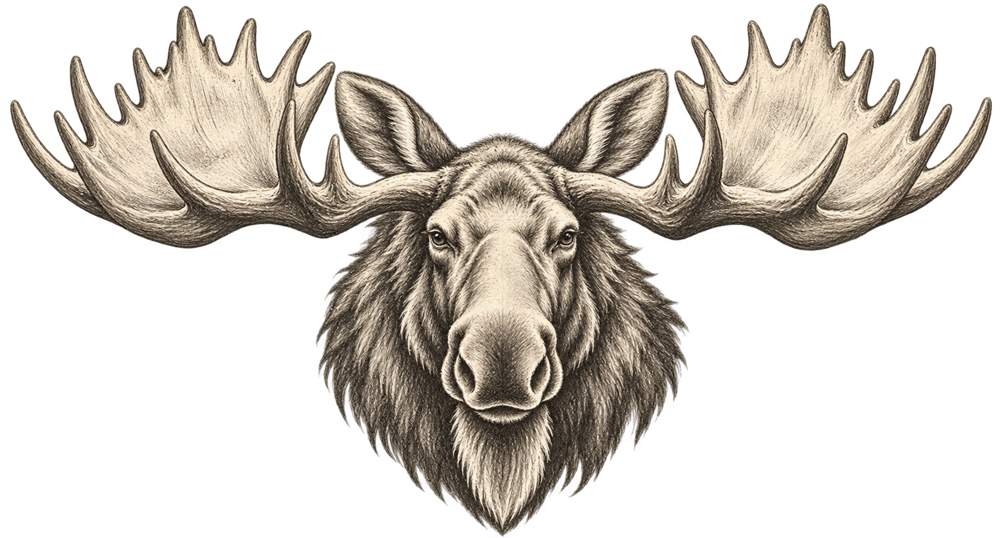
Moose eat different plants through the year. Summer leaves and aquatic vegetation give way to woody browse in the colder months. A feeding area that held sign in July deserves a fresh check before an autumn hunt.
Browse means leaves and woody shoots
Willow, birch and aspen are useful plants to recognize. Moose take leaves during the growing season and current woody shoots in winter. Their diet also includes other shrubs, leafy plants and aquatic vegetation where available.
Ontario’s Timber Management Guidelines for the Provision of Moose Habitat, published in 1988, lists feeding needs alongside forest cover. It describes aquatic feeding in spring and early summer, young forest feeding areas, and winter browse including willow, birch, aspen and hazel. The document’s date matters: it is background on habitat, not a current map of local moose use.
A seasonal feeding notebook
| Season | Places and plants to check | Keep in your notes |
|---|---|---|
| Spring | New leaves, wet edges and reachable shoots. | Which plants are growing and where feeding sign appears. |
| Summer | Leafy shrubs and aquatic feeding areas. | Food, nearby shade and repeated use. |
| Autumn | Shrub growth and young forest as leaves change. | Which patches still have fresh sign. |
| Winter | Woody shoots near usable forest cover. | Snow depth, access to browse and sheltered routes. |
These are places to inspect, not a promise of an animal. Plant names and the season help you decide what to check; tracks and repeated visits help you judge use.
Digestion takes time
Moose are ruminants. Microbes in the rumen help process fibrous plant food, and moose bring food back to chew it again. Resting and chewing are part of the feeding cycle.
Research at Alaska’s Moose Research Center found that passage through the digestive tract varied with the diet being tested. A controlled diet study does not supply a fixed feeding timetable for wild Ontario moose. There is no sound reason to turn one digestion figure into an exact calling hour.
Check the patch on foot
Mark a few feeding patches on your map, then compare them. Record the plant, the kind of sign, recent weather and the date. Photograph a clipped shoot beside a known scale if it helps you compare visits.
Do not name the animal from one bitten twig. Look for nearby tracks and repeated use. For a practical way to keep those observations, read Calling, Scouting & Tracks.
Sources & further reading
- Ontario moose habitat guidelines (1988) ↗
- Alaska wildlife department: moose diet ↗
- Food Passage Rate in Moose: controlled diet study ↗
Sources checked October 14, 2026. Survey years and historical publication dates are stated where used.